

Same-Day Oven/Stove Repair in Westbury & Surrounding Area
Certified technicians, all major brands, professional service
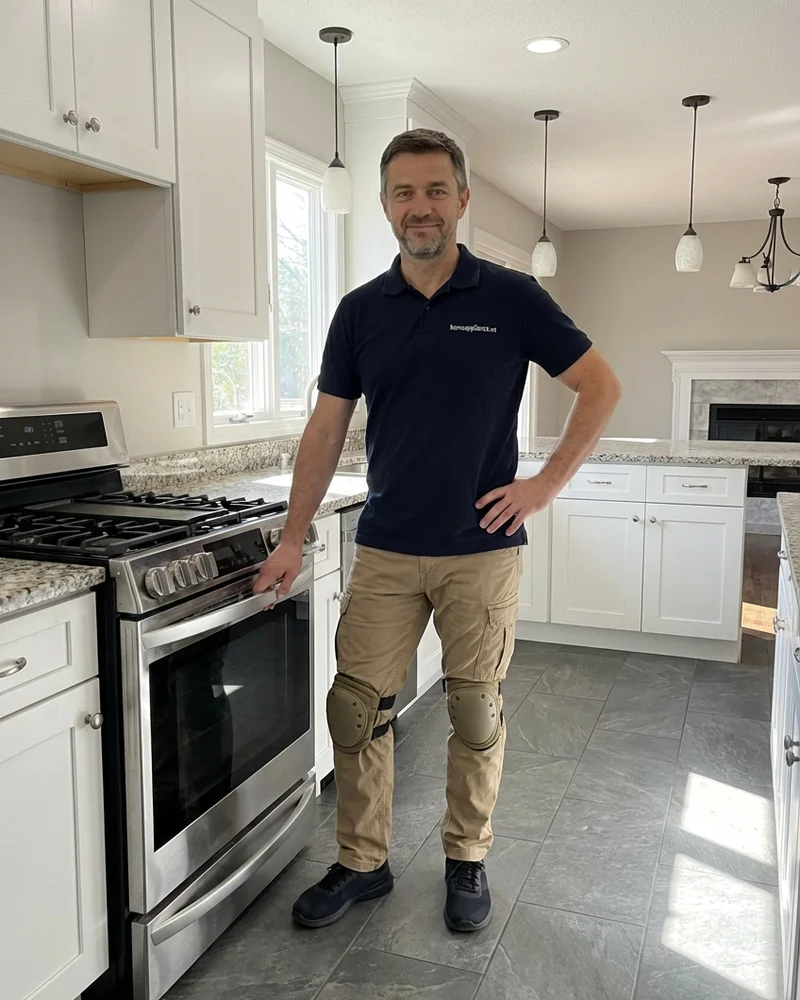
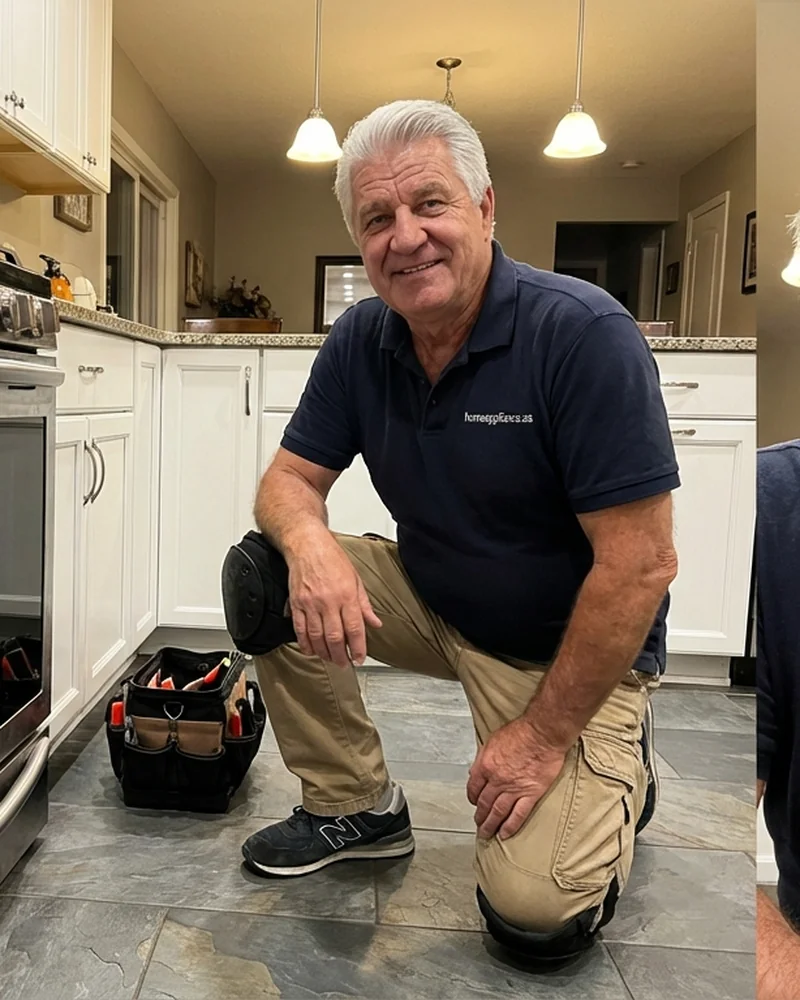
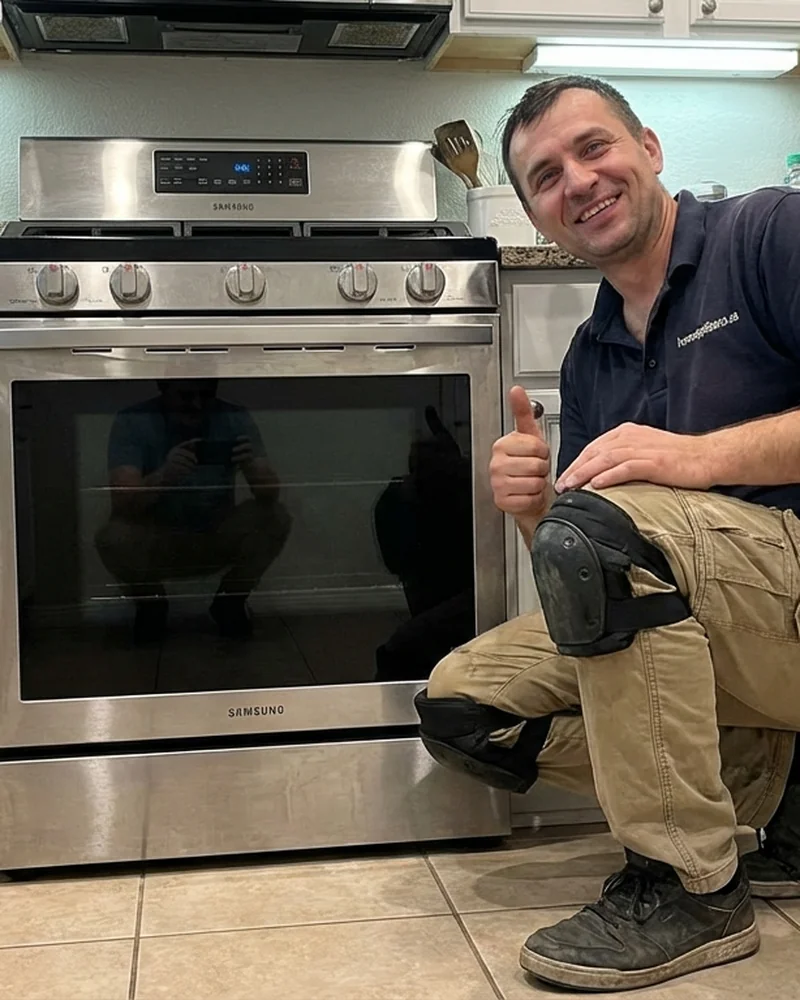
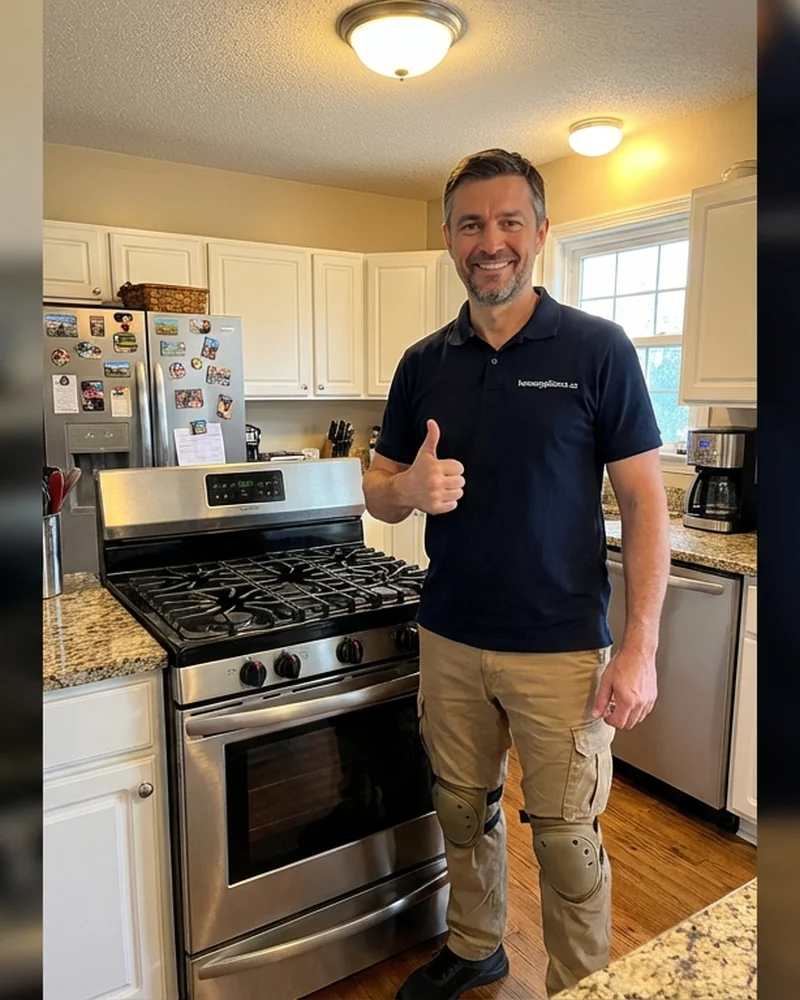
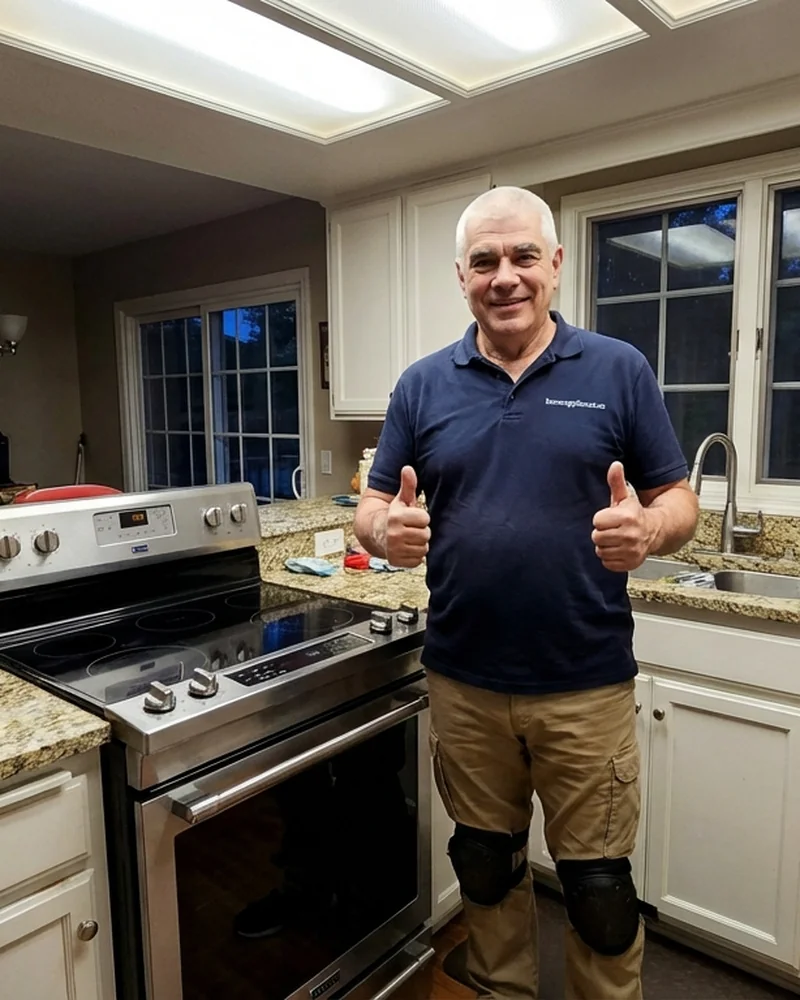
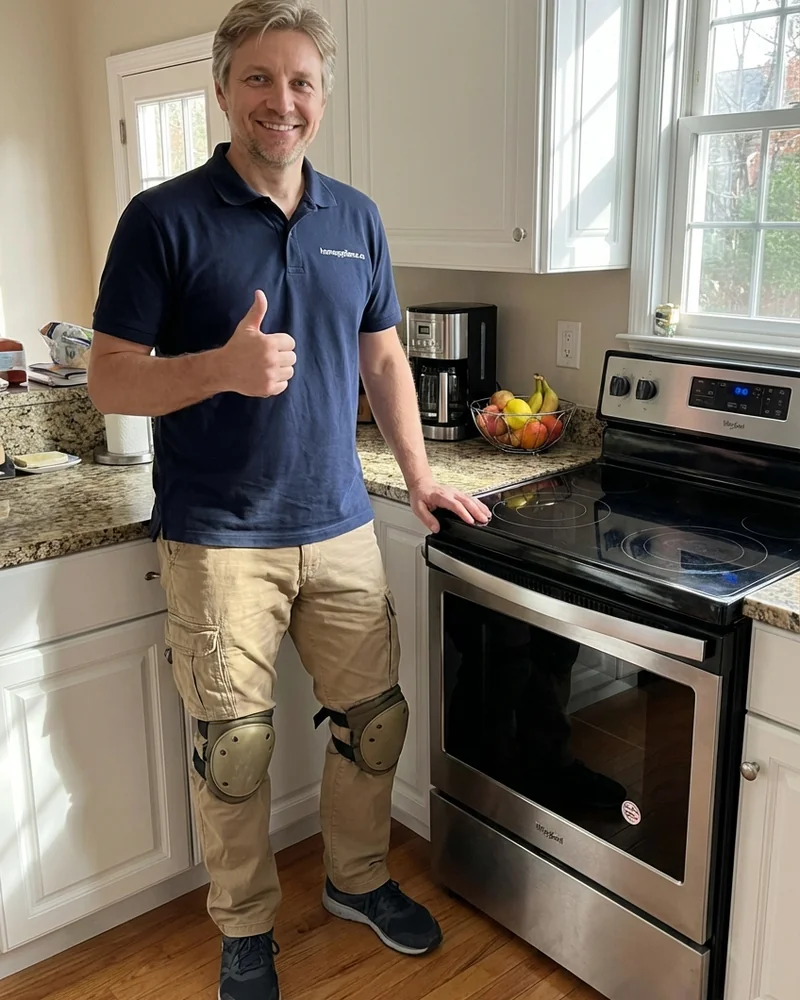
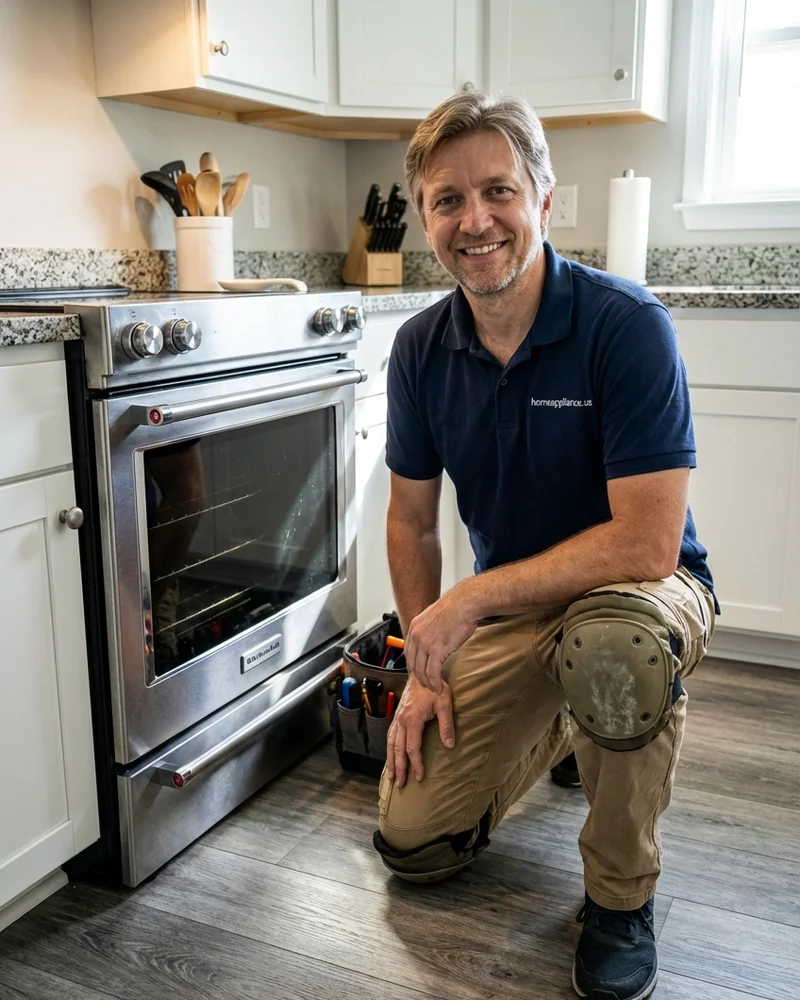
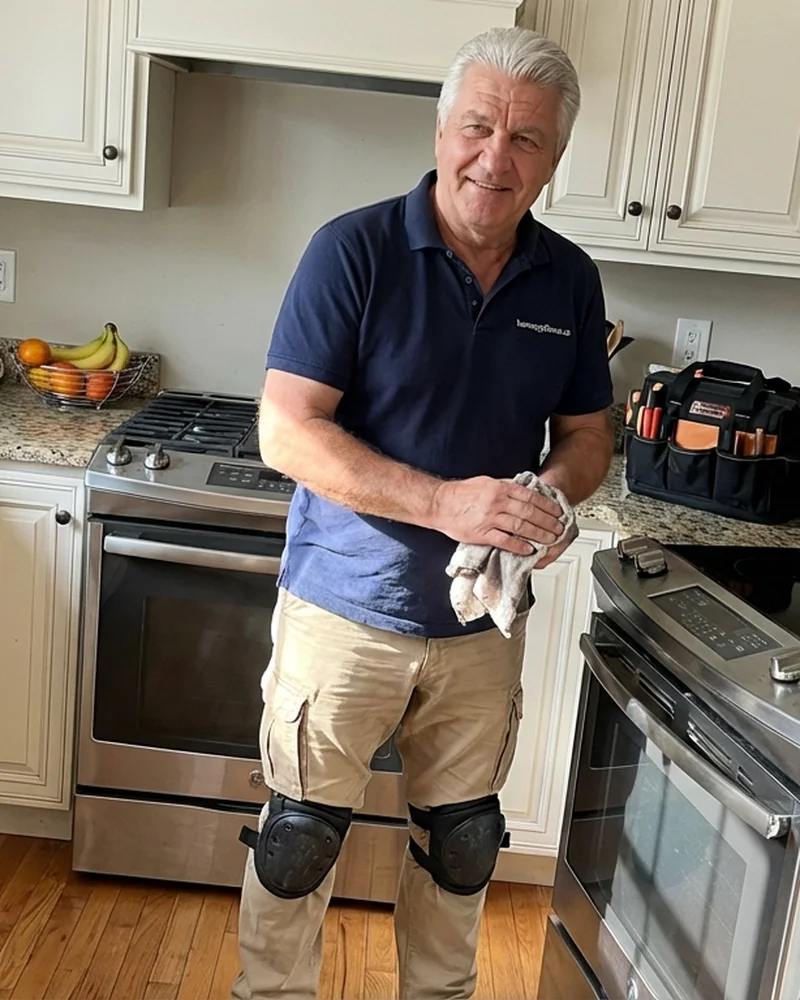
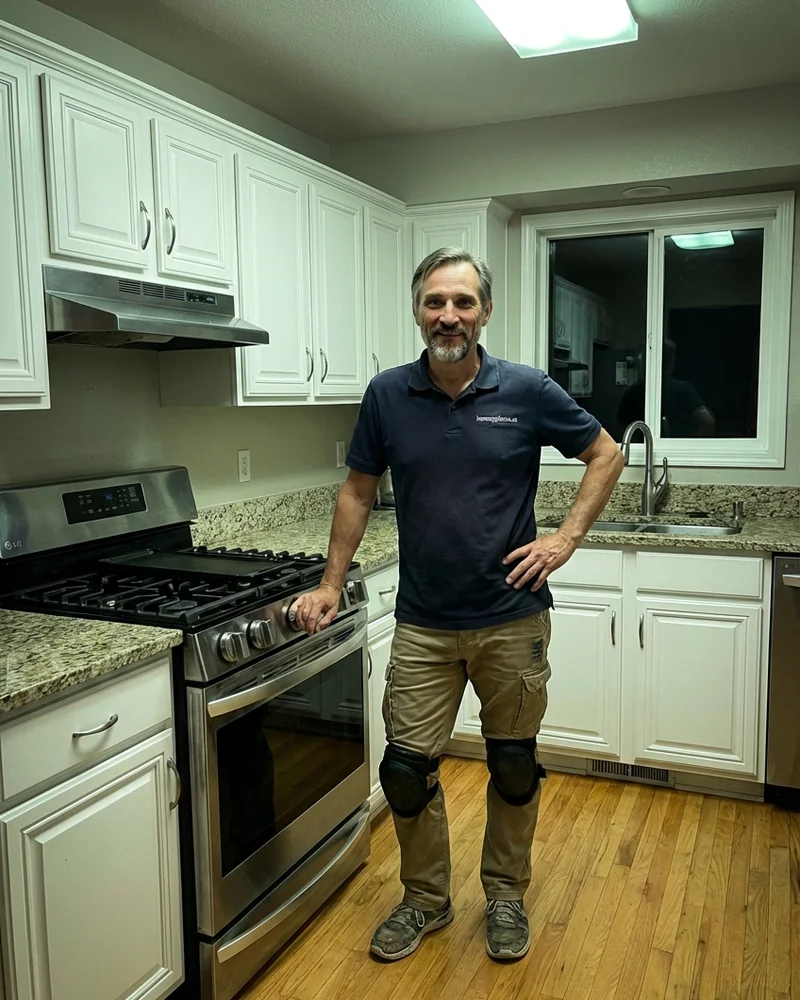
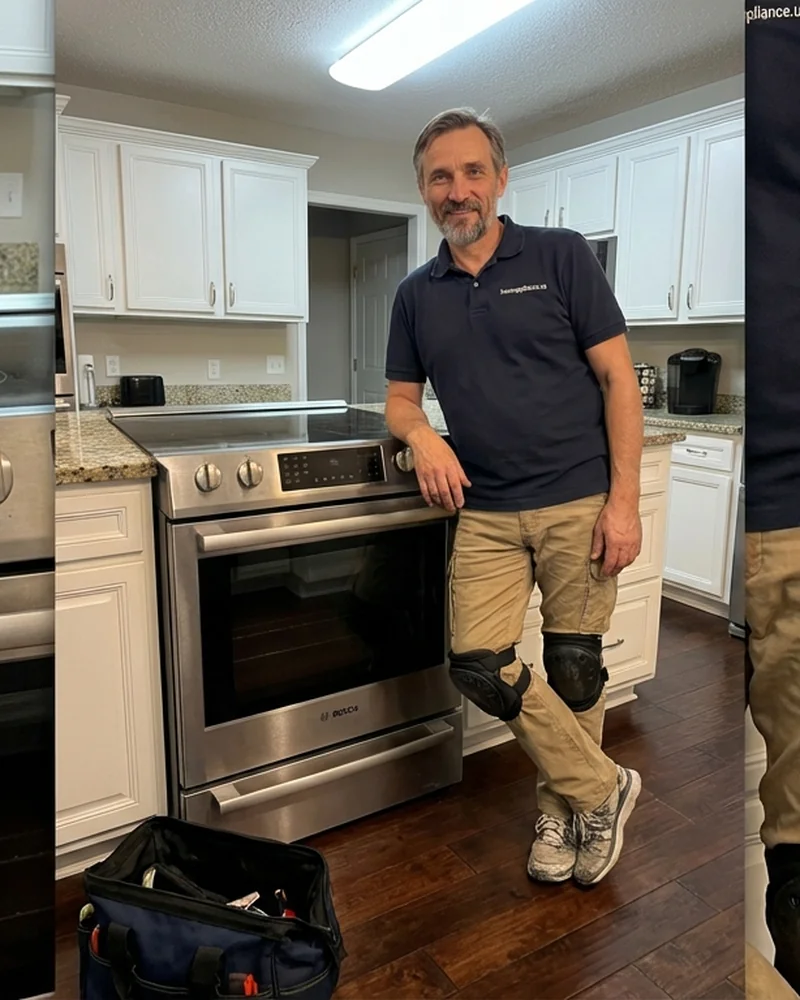
Real Repairs by Our Technicians
Brands We Service
Our certified technicians are trained to repair appliances from all major brands


Oven/Stove Repair in Nearby Cities
Real Customer Reviews
See what customers say about the repair pros we connect you with
Our Samsung fridge stopped cooling overnight. The technician arrived same day, was professional, explained everything clearly, and had us back up and running in under 2 hours. Pricing was fair and transparent. Highly recommend!
Washer was making a horrible noise. The tech arrived on time, diagnosed the issue quickly (worn bearing), and completed the repair efficiently. Very knowledgeable and reasonably priced. Will definitely use them again.
Had an issue with our GE dishwasher not draining. The technician came out the next day, fixed it within an hour, and cleaned up everything. He was courteous and explained what caused the problem. Great service!
Our LG dryer stopped heating. Got connected with a pro who fit us in the same day. The repair was done professionally and the price was exactly what they quoted. Very satisfied with the service.
Excellent service! Our Whirlpool refrigerator was leaking water. The technician arrived within the scheduled window, quickly identified the problem, and had the parts needed in his truck. Fixed it on the spot. Very pleased!
Called for our Maytag washer that wouldn't spin. Technician came same day, was friendly and professional. Fixed the issue and gave us maintenance tips to prevent future problems. Fair pricing too. Would recommend!
Our KitchenAid oven stopped working right before Thanksgiving. The repair pro saved the day! Same-day service, professional work, and reasonable rates. We were so relieved. Thank you!
Had our dishwasher fixed last year and the service was so good we called again for our fridge. Always reliable, professional, and fair pricing. They're our go-to for all appliance repairs now.
Very responsive and professional. Our freezer stopped working and a technician came out within hours. He was knowledgeable and explained everything clearly. Repair was done quickly and hasn't had any issues since.
Cape Cods and colonials near Post Avenue in 11590 have been getting kitchen upgrades for years — and that usually means a Bosch or KitchenAid wall oven replaced whatever came with the house. Heavy daily cooking is the norm here. The bake element burns out, the temperature sensor drifts, and suddenly Sunday dinner is at stake. Westbury kitchens deserve a technician who knows the difference between a Samsung F-21 error and a real control board failure. A lot of calls from 11590 start with "the oven isn't heating evenly" — that's almost always a failing temperature sensor or a bake element with a hairline crack that only shows under load. Guessing without a multimeter costs money. Westbury families cook seriously. The mix of Caribbean, Latin, and South Asian households throughout the zip code means ovens run multiple hours daily — roasting, baking, broiling back to back. That kind of load cycle accelerates component wear faster than the manufacturer's rated lifespan assumes. A Bosch wall oven rated for 20 years of average use can see its bake element fail in 8 to 10 years under this kind of schedule. That's not a defect. That's physics. Knowing that going in changes how you diagnose the call. Brand-specific knowledge matters more than most people realize. A Samsung NE63T8711SS throwing an SE code needs a different approach than a KitchenAid KOSE500ESS with a dead relay on the control board. The error codes don't translate across brands. The wiring diagrams don't share logic. A tech who works on Thermador double-wall ovens and LG freestanding ranges in the same week builds pattern recognition that a general handyman doesn't have. That's the practical difference in a repair that sticks versus one that fails again in six months.
Most of the housing stock in zip code 11590 was built between 1948 and 1965 — Cape Cods, split-levels, and small colonials throughout neighborhoods off Old Country Road and School Street. Those kitchens have seen multiple generations of appliances. Renovated homes in the area near Hitchcock Lane typically swapped in Thermador or LG ranges; original builds still running KitchenAid or GE from the early 2000s. Long Island hard water doesn't damage oven cavities directly, but mineral deposits clog steam-clean ports on newer models faster than most people expect. Nassau County water hardness averages around 190–250 mg/L — high enough that Bosch and Thermador ovens with steam-assist functions need descaling every 12 to 18 months or the inlet valve starts sticking. Some blocks off Maple Avenue still have 60-amp service panels that weren't upgraded when the kitchen was renovated. That matters when a 240V range runs at near-full draw for an hour of baking. Newer construction closer to Carle Place — roughly the northeastern edge of 11590 — tells a different story. Those homes from the late 1990s and early 2000s have 200-amp panels and dedicated 50-amp circuits for the range. Appliance choices skew toward Thermador and high-end Samsung slide-ins. The repair calls from that side of town tend to involve control board diagnostics, door latch assembly failures, and software-driven error codes rather than the straight wiring and element issues you see further west near Old Country Road. Summer voltage fluctuations are a real problem on Long Island's grid. PSEG Long Island manages load carefully during July and August heat waves, but brownout conditions — voltage dropping to 108V or lower on a nominally 120V line — can stress the logic boards on Samsung and LG ranges. The control board on an LG LRE3194ST is not designed to handle sustained undervoltage on its 120V control circuit while the 240V heating elements are running at full draw. The result is a locked-up display, phantom error codes, or a board that simply stops responding. A surge protector on the wall outlet doesn't solve this. The fix is diagnosing whether the board has actually failed or just needs a hard reset, which requires knowing the reset sequence specific to that model year. Getting to Westbury is straightforward from most of Nassau County. The Meadowbrook Parkway exits put you within five minutes of most addresses in 11590. Morning calls near the LIRR station on Post Street can hit light school-drop-off traffic on School Street around 8 to 9 AM, but that clears fast. Afternoon windows are typically the most efficient for same-day service in this zip code.
Common Oven/Stove Issues in Westbury
Bake Element Burnout from Aging 240V Circuits
1950s homes in Westbury weren't wired for today's 7.2kW ranges. A KitchenAid or Samsung freestanding range pulling full load through an old 40-amp circuit can blow through a bake element prematurely — you'll see a visible char mark or find the oven stalls at 200°F and climbs no higher. Swapping the element takes about an hour, but the panel situation is worth checking too. On Samsung ranges, a burned bake element often triggers an SE or C-d0 error on the display. On older KitchenAid models, the oven just goes cold with no code — you test continuity across the element terminals and get nothing. Both are fixable same-day if the replacement element is in stock for your model. The bake element itself is a resistive heating coil rated at a specific wattage — typically 2,500 to 3,400 watts on a standard 30-inch range. Over time, the element's sheath develops micro-fractures from repeated thermal expansion and contraction. A hairline crack in the sheath lets moisture and cooking grease reach the resistive wire inside, and the next high-heat cycle causes an arc and burn. You can sometimes see a small blister or black mark on the element coil. Sometimes there's nothing visible and only a continuity test confirms it's open. On the circuit side: a 40-amp breaker feeding a 7.2kW range is right at the edge. National Electrical Code requires a circuit rated at 125% of continuous load. Older wiring in Westbury's pre-1965 homes used aluminum conductors in some runs, and aluminum wire connected to a terminal designed for copper oxidizes over time, increasing resistance and generating heat at the connection. That heat doesn't just trip breakers. It degrades components at the range end too.
Temperature Sensor Drift — Oven Lies About Its Own Heat
Bosch and Thermador wall ovens develop this after years of high-cycle use. The oven temperature sensor — a thin resistance probe mounted on the back wall — starts reading 30 to 50 degrees low or high. You set it to 375°F. The cavity never gets there, or blows past it. Roasts undercook, baked goods burn on bottom. Replacing the sensor usually runs under $120 total. On Bosch units, a drifting sensor will sometimes trigger an E105 or E109 fault code before the issue shows up in cooking results. Thermador throws an F7 fault in some configurations. Testing resistance at room temperature — should read around 1080 to 1100 ohms for most NTC sensors — confirms the diagnosis in under ten minutes. The sensor is an NTC thermistor — negative temperature coefficient, meaning its resistance drops as temperature rises. A brand-new sensor at 70°F room temperature reads right around 1080 to 1100 ohms. A drifting sensor might read 950 or 1200 ohms at the same temperature, which tells the control board the oven is already hotter or cooler than it actually is. The board adjusts accordingly and the element cycles wrong. One thing that confuses homeowners: the oven display might show 375°F while the actual cavity temperature is 320°F. The control board is showing what the sensor reports, not what's really happening. A cheap oven thermometer hung from the center rack tells the real story in about 20 minutes of preheat. If the gap is more than 25 degrees, the sensor is the first thing to check before assuming the control board is at fault. Misdiagnosing this as a control board failure is an expensive mistake — a replacement board for a Thermador MED301 runs $350 to $500. The sensor is $28 to $45.
Self-Clean Latch Assembly Locks and Won't Release
LG and Samsung ranges with self-clean cycles sometimes finish the cycle with the door latch assembly stuck engaged. The thermal limiter inside the lock mechanism trips from the 900°F heat and doesn't reset. The door stays locked, oven unusable. Forcing it risks bending the latch arm. A tech can manually release it and replace the latch motor same visit. This happens more often in Westbury homes where the range sits in a tight cabinet enclosure with limited airflow — extra heat buildup around the latch housing pushes the thermal limiter past its threshold. Samsung's door lock assembly runs around $45–$65; LG's is a bit more. Either way, it's a 45-minute repair once the part is on hand. The latch assembly on most LG and Samsung ranges uses a small wax motor or solenoid to drive the latch bolt. The thermal limiter is a one-shot device. Once it trips, it doesn't self-reset. The oven's control board reads the latch as still engaged because the circuit through the limiter is open, so it won't allow door unlock commands to execute. The board isn't malfunctioning. It's doing exactly what it's supposed to do: refusing to unlock the door when the safety circuit reads as tripped. Manual release involves removing the top panel or the rear access panel depending on the model, locating the latch arm, and physically sliding it to the unlocked position while the door is gently pushed inward. After manual release, the thermal fuse and latch motor should be replaced as a pair. Running the self-clean cycle again with just the fuse replaced and the original motor risks the same failure within a cycle or two if the motor is drawing high current.
Frequently Asked Questions
How fast can you get to Westbury for oven repair?▼
Usually on-site within 2 hours for Westbury. Access from the Meadowbrook Parkway or Route 107 keeps travel time short from most of our Nassau County stops. Call (718) 701-8115 — mornings typically get same-day afternoon slots. If you're near Old Country Road or off School Street, we know the area and routing isn't an issue. Zip code 11590 is a regular service area — we run calls there multiple times a week.
Do you work on Bosch and Thermador wall ovens?▼
Yes — Bosch, Thermador, and KitchenAid wall ovens are the three we see most in renovated Westbury kitchens. Typical repairs: temperature sensor replacement, control board diagnostics, door latch assembly, and broil element swaps. Samsung and LG freestanding ranges too. For Thermador specifically, we stock common igniter assemblies and temperature probe sensors for the POD and PODMW series that appear in a lot of the higher-end kitchen renovations in 11590. Bosch 800 series wall ovens are extremely common in the Hitchcock Lane area — the E109 and E105 fault codes that come up with sensor issues are something we diagnose regularly, not something we have to look up.
What does oven repair cost in Westbury, and is same-day service available?▼
Diagnostic is $85, credited toward any repair you approve on-site. Most heating element or sensor jobs run $150–$280 parts and labor. Same-day is available most weekdays — call (718) 701-8115 before noon and we're typically there that afternoon. Control board replacements on premium brands like Thermador or Bosch run higher — usually $300–$480 depending on the model — because the boards themselves are expensive. A misdiagnosed control board is one of the more common unnecessary repair bills in this zip code. A lot of "dead oven" calls in Westbury turn out to be a $40 thermal fuse, and the fix takes 20 minutes.
My house was built in the 1950s — does old wiring affect oven repairs?▼
It can, and it's worth knowing before any repair visit. Pre-1965 homes in Westbury sometimes have 40-amp circuits feeding a range that draws 30 amps at full load — legal under older code but tight. More importantly, some of those older runs used aluminum wiring to the range outlet. Aluminum oxidizes at terminal connections over decades, increasing resistance. That resistance generates heat at the connection point, which can damage the range's terminal block or accelerate bake element failures. Replacing the element without noting the wiring condition solves half the problem. If your Westbury home was built before 1965 and the kitchen circuit hasn't been inspected recently, mention it when you call. It doesn't always mean you need an electrician first — sometimes the wiring is fine. Knowing ahead of time lets us bring a clamp meter to check actual draw at the outlet and spot any voltage drop across the connection. Five minutes of testing can change the diagnosis entirely. Call (718) 701-8115 and tell us the house age and whether the panel has been updated.
Need Oven/Stove Repair in Westbury?
Same-day service available. Call now for a free estimate.
(718) 701-8115